
Unearthing the cultural significance of gambling across societies
The Historical Roots of Gambling
Gambling has been a part of human civilization for thousands of years, with its origins traced back to ancient societies. Archaeological evidence suggests that the practice dates back to at least 3000 BC, with findings of dice made from bone in Mesopotamia. These early forms of gambling were often intertwined with religious beliefs and rituals, serving as a means to communicate with deities or predict the future. This deep-rooted history illustrates how gambling has long been more than just a game; it has been a cultural phenomenon that reflects the values and beliefs of various societies. Today, players can explore thrilling options on platforms like https://mafiacasinoscz.com/, which showcase modern iterations of this age-old practice.
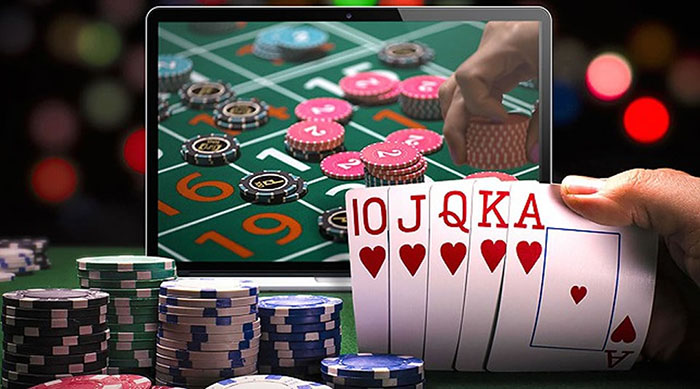
Throughout history, different cultures have adapted gambling practices to their unique contexts. For instance, in ancient China, gambling was often associated with the ruling class and was used as a tool for political maneuvering. The use of tiles for games like Mahjong highlighted social connections among elites. In contrast, indigenous tribes in the Americas utilized gambling as a social activity, strengthening community ties. These contrasting examples show that while the methods and motivations for gambling may differ, the practice itself serves significant roles across various cultures.
The evolution of gambling practices has also been shaped by societal changes, such as the rise of urbanization and economic shifts. As societies transitioned from agrarian to industrial economies, the nature of gambling evolved from informal, community-based activities to more organized and commercialized forms. The establishment of casinos and gambling laws in the 20th century reflected a shift towards regulation, aiming to control the social impacts of gambling while also recognizing its economic potential. This historical journey illustrates that gambling is not only a form of entertainment but also a mirror reflecting societal values and evolution.
The Social Dimensions of Gambling
Gambling plays a multifaceted role in social interactions, often serving as a tool for bonding among individuals. In many cultures, gambling is a communal activity, bringing together friends and family for social gatherings. Events centered around games like poker or sports betting foster camaraderie and shared experiences, making it a form of social glue that strengthens community ties. These social aspects are especially prominent in cultures where gambling is culturally accepted and seen as a rite of passage.
Moreover, the social consequences of gambling can vary significantly across different societies. In some cultures, gambling is viewed positively, seen as a form of entertainment and a way to enjoy life. Conversely, other societies may take a more critical stance, associating gambling with negative outcomes such as addiction or social disintegration. These perspectives can influence local laws and regulations surrounding gambling, showcasing how deeply social attitudes impact the practice and its acceptance.
In the modern age, the rise of online gambling has further transformed social dynamics. Digital platforms have created communities of gamblers who interact through forums and live chats, creating virtual social environments. This shift has made gambling more accessible, allowing individuals to engage from the comfort of their homes while still fostering social connections. However, it also raises questions about the implications of technology on traditional social structures and the meanings attached to gambling across different cultures.
The Impact of Religion on Gambling Practices
Religion has played a critical role in shaping gambling attitudes and practices throughout history. Many societies have viewed gambling through a moral lens, often dictated by religious beliefs. For instance, in various Christian denominations, gambling is seen as sinful, associated with greed and vice. Consequently, communities influenced by these beliefs may have strict regulations or outright bans on gambling, reflecting the religious values that govern their lives.
In contrast, certain religions have adopted more lenient or even favorable views towards gambling. For example, some interpretations of Buddhism suggest that gambling can be acceptable if it does not lead to attachment or addiction. In such contexts, gambling can be perceived as a form of entertainment rather than a moral failing. This variation in religious perspectives highlights how deeply intertwined gambling is with cultural and spiritual beliefs, showcasing the complex dynamics at play in different societies.
Furthermore, the intersection of religion and gambling often leads to rituals and festivals that incorporate games of chance. For instance, some cultures celebrate harvest festivals with gambling as a way to honor the deities and seek their blessings. These events highlight not only the cultural significance of gambling but also how religious beliefs can shape its practice, making it a rich tapestry of human experience across different societies.
The Economic Aspects of Gambling
The economic significance of gambling cannot be understated, as it contributes considerably to national and local economies. Many countries have embraced gambling as a source of revenue through taxation and job creation in industries such as hospitality and entertainment. For example, cities like Las Vegas and Macau have built entire economies around gambling, relying on tourist influx and local patronage to sustain businesses and services. This economic model has transformed these locations into global destinations for gambling enthusiasts.
However, the economic benefits of gambling come with potential downsides. Critics argue that the industry can lead to increased social costs, including addiction and crime. The lure of easy money can result in significant personal and societal repercussions. Many governments are grappling with how to balance the economic advantages of gambling while also addressing the potential harm it can cause to individuals and communities. This ongoing debate illustrates the complex relationship between economic interests and social responsibility in the realm of gambling.
Additionally, technological advancements have also reshaped the economic landscape of gambling. The rise of online casinos and mobile betting applications has increased accessibility, leading to a surge in participation. This shift has not only changed the revenue streams but has also created a more competitive market. Companies must now innovate continuously to attract and retain customers, which can have far-reaching effects on the traditional gambling economy. As technology continues to evolve, its influence on the gambling industry will likely grow, posing new challenges and opportunities for society.

Mafia Casino: A Modern Take on Gambling Culture
In the contemporary landscape of gambling, platforms like Mafia Casino represent the fusion of technology and culture. With a diverse range of gaming options, including traditional slots, instant games, and live dealer experiences, Mafia Casino caters to the evolving preferences of modern players. This adaptability reflects how gambling has transitioned from physical spaces to digital realms, appealing to a global audience seeking excitement and entertainment in their daily lives.
Mafia Casino not only offers an engaging gaming experience but also incorporates various promotions and incentives designed to enhance user satisfaction. The generous welcome bonuses and ongoing promotions exemplify how competitive the online gambling market has become. By providing attractive incentives, platforms like Mafia Casino are able to attract and retain players, demonstrating the business acumen required in today’s gambling environment.
Ultimately, the cultural significance of gambling persists in modern society, evolving alongside technological advancements and shifting societal values. As platforms like Mafia Casino continue to redefine the gambling experience, they highlight the ongoing interplay between culture and gambling. By examining these developments, we can better understand how gambling remains a relevant and influential aspect of human society, bridging past traditions with future innovations.
No responses yet